
Winter Tires: Essential Guide for Cold Weather Driving
Winter tires are a specially engineered category of vehicle tires designed to deliver superior performance, traction, and safety in freezing temperatures, icy roads, and snowy conditions. Unlike standard all-season or summer tires, which begin to harden and lose grip as the temperature drops, winter tires stay soft and flexible in cold weather, enabling them to maintain maximum road contact and control when you need it most. Whether you drive daily through snowy streets or travel in harsh winter climates, choosing the best winter tires can significantly improve your driving experience. Also known as Snow Tires, these tires are built to perform exceptionally well on snow, slush, and icy roads where regular tires struggle.
Many people compare winter tires with off road tires or mud terrain tires, but each type is designed for a different purpose. Off-road and mud terrain options are made for rough trails, rocky surfaces, and muddy paths, while winter tires are specifically developed for cold-weather highways and city roads. Understanding these differences helps drivers choose the right tire for every season.
Why Winter Tires Matter
When temperatures fall below about 7°C (45°F), conventional tires, including both all-season and summer variants, begin to lose flexibility. As the rubber hardens, traction decreases significantly, making braking, steering, and acceleration much more difficult. This becomes especially dangerous on roads covered with snow, slush, or black ice.
Winter tires use advanced rubber compounds that remain soft and flexible even in freezing temperatures. Because of this flexibility, they maintain better contact with the road surface, providing improved grip and stability. Investing in the best winter tires helps drivers maintain control during sudden braking or emergency maneuvers. Unlike off road tires, which are designed for rocky terrain, Snow Tires are specifically engineered to handle winter road conditions safely and efficiently.
Benefits of Winter Tires
- Better traction on icy roads
- Improved handling in freezing temperatures
- Enhanced steering response
- Greater stability during winter driving
- Reduced risk of skidding
- Increased confidence on slippery roads
Advanced Tread Design for Maximum Traction
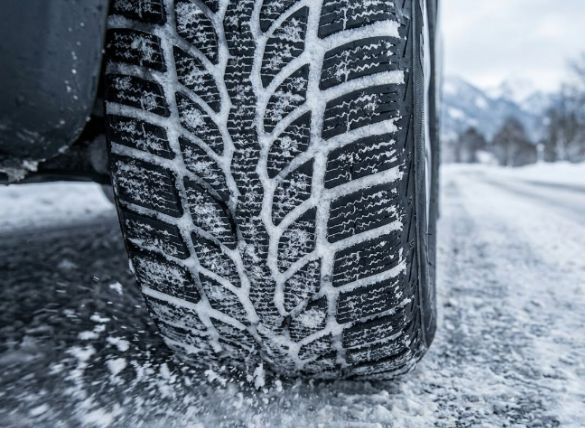
One of the most important features of winter tires is their specialized tread pattern. Winter tires feature deep grooves, aggressive tread blocks, and thousands of tiny slits called sipes. These elements work together to improve traction by creating additional biting edges that grip slippery surfaces. The grooves efficiently remove snow, slush, and water from beneath the tire, reducing the risk of hydroplaning and maintaining better road contact.Another unique characteristic is that compacted snow inside the tread can actually improve traction because snow grips snow better than rubber grips packed snow. This innovative design makes Snow Tires extremely effective during severe winter weather. Drivers searching for the best winter tires should always evaluate tread depth, siping technology, and tread design before making a purchase. Although mud terrain tires feature large tread blocks for muddy trails and uneven ground, they cannot provide the same level of grip on icy pavement. Likewise, off road tires are designed to withstand rocks, gravel, and dirt rather than freezing road conditions. Winter tires remain the safest option when temperatures consistently stay below freezing.
Improved Safety and Shorter Braking Distances
Safety is the biggest reason why drivers install winter tires every season. Their advanced rubber compounds and specialized tread patterns provide excellent road contact, allowing vehicles to stop much faster than they would with standard all-season tires. Studies have shown that winter tires can reduce braking distances by as much as 30–50% on snowy or icy roads compared to regular tires.
In addition to shorter stopping distances, the best winter tires improve steering accuracy and vehicle stability. Drivers experience greater confidence while navigating snowy intersections, climbing hills, or making emergency lane changes. Better traction also reduces wheel spin during acceleration, helping vehicles move smoothly even on slippery roads.
Unlike off road tires, which prioritize loose terrain performance, Snow Tires are specifically developed to maximize winter-road safety. Even though mud terrain tires perform well in deep mud, they cannot replace the reliable grip and braking performance offered by dedicated winter tires.
Safety Advantages
- Shorter braking distances
- Improved steering precision
- Better cornering stability
- Reduced wheel spin
- Greater control during emergency situations
- Increased driver confidence
Cold Weather Adaptability Beyond Snow
Many people believe winter tires are only useful when roads are covered with snow, but that is not true. They also perform exceptionally well on cold, dry pavement because their flexible rubber compound continues to provide excellent grip even when temperatures remain below freezing. Regular tires become stiff in these conditions, making them less responsive during braking and steering.
Whether driving on frost-covered pavement, black ice, freezing rain, or slushy streets, Snow Tires continue delivering dependable traction. This makes the best winter tires an excellent investment for anyone living in regions where winter temperatures regularly fall below 7°C.
Although mud terrain tires are excellent for muddy construction sites or off-road adventures, they are not suitable replacements for winter tires. Similarly, off road tires are designed for rugged landscapes rather than icy highways. Each tire category has its own purpose, and choosing the right one ensures maximum safety and performance.
Proper Installation and Seasonal Use
For maximum performance, winter tires should always be installed as a complete set of four. Mixing winter tires with summer or all-season tires creates uneven traction between the front and rear axles, increasing the risk of unstable handling during emergency situations. Balanced traction on all four wheels is essential for predictable braking and steering.
Drivers should also inspect tire pressure regularly because cold temperatures naturally reduce air pressure. Rotating tires according to the manufacturer’s recommendations and storing them correctly during warmer months will extend their lifespan. The best winter tires provide excellent value when maintained properly and used only during the winter season.Once temperatures consistently remain above 7°C (45°F), drivers should switch back to their regular tires. Winter tires use softer rubber compounds that wear more quickly in warm weather. Although off road tires and mud terrain tires are ideal for outdoor adventures, they should never replace properly installed Snow Tires when roads become icy or snow-covered.
Installation Tips
- Install all four winter tires together.
- Check tire pressure frequently during winter.
- Rotate tires regularly.
- Store tires in a cool, dry location.
- Replace worn tires before the next winter season.
Ideal for Severe Winter Regions
Drivers living in areas with frequent snowfall, icy highways, and long winter seasons benefit the most from dedicated winter tires. These demanding environments require maximum traction and braking performance that all-season tires cannot consistently provide. Investing in the best winter tires ensures safer driving during snowstorms, freezing rain, and icy road conditions.
Although many drivers also own off-road tires or mud-terrain tires for recreational driving, these tire types serve completely different environments. They cannot match the cold-weather grip, stability, and braking performance offered by genuine Snow Tires. Choosing the right tire for the season not only improves vehicle performance but also reduces accident risks and increases overall driving confidence.
Key Advantages of Winter Tires
- Superior traction on snow and ice
- Excellent braking performance
- Improved steering response
- Reliable grip in freezing temperatures
- Better stability during winter travel
- Enhanced driver confidence and safety
Ultimately, winter tires are one of the smartest safety investments for cold-weather driving. Whether you’re commuting to work, traveling with family, or planning long winter road trips, selecting the best winter tires helps keep your vehicle stable, predictable, and safe. Unlike off road tires or mud terrain tires, dedicated Snow Tires are purpose-built to deliver dependable performance throughout the winter season, giving drivers peace of mind whenever weather conditions become challenging.
