
Winter Tires: Essential Guide for Cold Weather Driving
Winter tires are a specially engineered category of vehicle tires designed to deliver superior performance, traction, and safety in freezing temperatures, icy roads, and snowy conditions. Unlike standard all-season or summer tires, which begin to harden and lose grip as the temperature drops, winter tires stay soft and flexible in cold weather – enabling them to maintain maximum road contact and control when you need it most.
Why Winter Tires Matter
When temperatures fall below about 7°C (45°F), conventional tires – both all-season and summer variants – start to stiffen. This loss of flexibility dramatically reduces their ability to grip the road, especially on slippery surfaces. In contrast, winter tire are made from rubber compounds specifically formulated to remain pliable at lower temperatures, even well below freezing. This pliability helps them conform to surface irregularities, maintaining grip on snow, ice, slush, and cold pavement.
Advanced Tread Design for Maximum Traction
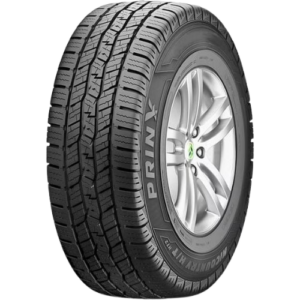
One of the most important features of winter tires is their tread design. Winter tires have deep grooves, numerous biting edges, and tiny slits known as sipes built into the tread blocks. These sipes and grooves work together to evacuate snow, slush, and water away from the tire’s surface, which helps reduce the risk of hydroplaning and enhances traction on icy and snowy roads. The deeper tread and aggressive pattern also allow snow to compact inside the tread – which can paradoxically improve grip, because snow-on-snow contact often provides better traction than rubber on compacted snow.

Improved Safety and Shorter Braking Distances
Safety is the primary reason drivers switch to winter tires. Because winter tires maintain better contact and traction, they can reduce braking distances significantly on icy or snow-covered roads – often by 30-50% or more compared to all-season tires under equivalent conditions. This reduction can be the difference between stopping safely and being unable to avoid a collision. Winter tires also improve steering response and vehicle stability, giving drivers more confidence and control when navigating slick roads.
Cold Weather Adaptability Beyond Snow
It’s important to note that winter tires aren’t just for snow. Even on cold but dry pavement, the softer rubber compound and specialized tread design help maintain traction. Where regular tires would harden and slip. This advantage means winter tires enhance safety across a wide range of winter driving conditions – from black ice and freezing rain to slush and packed snow.
Proper Installation and Seasonal Use
For optimal performance, winter tire should always be installed as a full set of four. Mixing winter tire with summer or all-season tires on the same vehicle can cause uneven grip between axles. This imbalance may lead to unpredictable handling, especially during sudden or extreme maneuvers. Once the cold season ends and temperatures consistently rise above about 7 °C , it’s time to switch back to regular tires. Using regular tires in warmer conditions helps maintain proper performance and tire longevity. Operating winter tire in warm weather causes accelerated wear because of their softer rubber compounds. As a result, the tires have a shorter lifespan and deliver reduced performance.
Ideal for Severe Winter Regions
Drivers in regions with heavy snowfall, frequent ice, and long winters seasons benefit most from dedicated winter tire. These harsh conditions require maximum traction and braking performance that all-season tires simply cannot provide reliably. For areas with milder winters, drivers might consider alternatives such as all-weather tire with a winter rating. However, true winter tire provide the safest choice in severe cold.
