
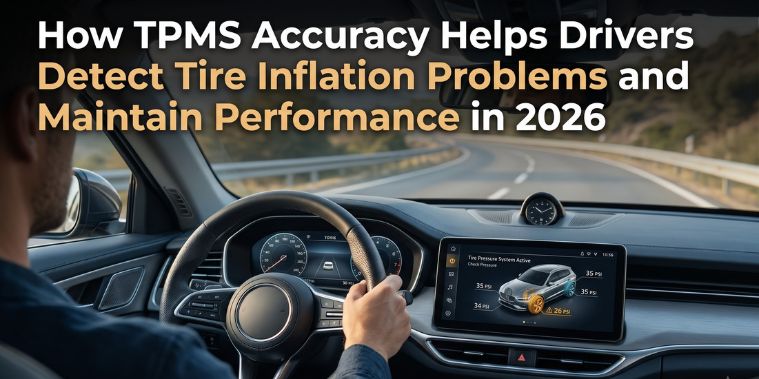
Maintaining correct tire pressure is essential for safe handling, braking performance, fuel efficiency, and even tire lifespan. Modern vehicles use a Tire Pressure Monitoring System (TPMS) to alert drivers when one or more tires fall below recommended inflation levels. However, understanding the accuracy and limitations of these systems is equally important. Drivers researching Tires for Sale or comparing affordable all season tires should consider how proper inflation monitoring contributes to long-term tire performance.
Understanding How a Tire Pressure Monitoring System Works
A Tire Pressure Monitoring System measures tire inflation and provides warnings when pressure falls outside the vehicle manufacturer’s recommended range. Most passenger vehicles use one of two main TPMS technologies.
- Direct TPMS: This system uses pressure sensors installed inside individual wheels. The sensors transmit pressure readings to the vehicle’s electronic control unit, which displays information or activates a warning light when pressure becomes too low.
- Indirect TPMS: This system uses wheel-speed sensors from the anti-lock braking system. An underinflated tire may rotate differently from properly inflated tires, allowing the vehicle to detect a possible pressure imbalance.
Direct systems provide actual pressure readings, while indirect systems estimate pressure changes through wheel behavior. Both technologies help drivers identify potential inflation problems, but neither eliminates the need for regular manual inspections.
Why TPMS Accuracy Matters for Tire Performance
Incorrect tire pressure can influence several aspects of vehicle operation. When a tire is underinflated, its sidewalls flex more than intended, potentially increasing heat buildup and rolling resistance. Excessive pressure can reduce the tire’s contact area under certain conditions and affect ride comfort and traction.
Reliable TPMS information helps drivers recognize pressure changes before they develop into more serious problems.
Important performance factors include:
- Braking response: Incorrect inflation can affect tire contact with the road and influence stopping performance.
- Fuel efficiency: Underinflated tires generally create additional rolling resistance, which can increase fuel consumption.
- Tread life: Incorrect pressure may contribute to uneven tread wear.
- Handling stability: Proper inflation supports predictable steering and cornering behavior.
- Heat management: Maintaining recommended pressure helps reduce excessive tire flexing and heat generation.
Drivers should always follow the pressure specifications listed on the vehicle’s tire information placard rather than relying on the maximum pressure printed on the tire sidewall.
Common Factors That Affect TPMS Accuracy
Although TPMS technology is useful, several conditions can influence its readings or warning behavior.
- Temperature Changes: Tire pressure naturally changes with temperature. Colder weather generally reduces pressure, while warmer conditions increase it. A tire that appears correctly inflated in warm weather may require attention after a significant temperature drop.
- Sensor Battery and Wear: Direct TPMS sensors contain batteries that eventually lose their charge. Aging sensors may stop transmitting reliable information or fail to communicate with the vehicle.
- Incorrect Sensor Installation: When replacing tires or wheels, technicians must ensure that compatible sensors are installed correctly. Damaged sensors, improper positioning, or incorrect programming can create inaccurate readings or warning messages.
- Delayed Warning Activation: Some systems require the vehicle to travel for a period before detecting a pressure problem. Therefore, drivers should not assume that the absence of a warning light guarantees correct inflation.
How to Maintain Reliable Tire Pressure Readings
Regular maintenance helps drivers get more value from their TPMS technology. A practical inspection routine includes:
- Check tire pressure when tires are cold, preferably before driving or after the vehicle has been parked for several hours.
- Compare pressure readings with the recommended values in the owner’s manual or vehicle placard.
- Use a reliable manual tire pressure gauge to verify suspicious TPMS readings.
- Inspect tires for punctures, visible damage, cracks, and unusual tread wear.
- Check the spare tire separately if it is equipped with a monitoring sensor.
- Have faulty or aging sensors inspected by a qualified technician.
- Follow the manufacturer’s TPMS reset or calibration procedure after correcting inflation or changing wheels.
These steps are particularly useful before long-distance journeys and seasonal weather changes.
What to Consider When Choosing Affordable All Season Tires
Drivers comparing affordable all season tires should evaluate more than the initial purchase price. Tire construction, size compatibility, load capacity, speed rating, tread design, and warranty coverage all influence the overall value of a replacement set.
Before selecting a tire, consider:
- Vehicle compatibility: Match the tire size and specifications recommended by the vehicle manufacturer.
- Load and speed ratings: Select tires that meet or exceed the vehicle’s required ratings.
- Wet-road performance: Review available braking and traction information for rainy conditions.
- Treadwear characteristics: Compare warranty information and expected service-life indicators.
- TPMS compatibility: Confirm that replacement wheels and tires can work with the vehicle’s monitoring system.
When browsing Tires for Sale, drivers should also compare installation costs, balancing services, sensor compatibility, and warranty conditions. A lower purchase price does not necessarily represent the best overall value if additional installation or compatibility expenses are required.
How TPMS Supports Long-Term Tire Maintenance
TPMS should be treated as an early-warning tool rather than a replacement for routine tire care. Monitoring pressure consistently can help drivers identify gradual air loss, recognize unexpected changes, and arrange inspections before minor issues become more expensive.
For businesses and customers exploring replacement options, understanding tire pressure requirements also makes it easier to select suitable products. A correctly matched tire maintained at the recommended inflation pressure is better positioned to deliver its intended performance.
Final Thoughts
Accurate tire pressure monitoring plays an important role in vehicle safety, handling, and tire maintenance. Understanding direct and indirect TPMS technology, checking pressure manually, and responding promptly to warnings can help drivers avoid preventable inflation-related problems.
When comparing Tires for Sale or searching for affordable all season tires, consider compatibility, performance specifications, and TPMS requirements alongside price. Combining an appropriate tire selection with consistent pressure checks supports dependable performance throughout the year.
