
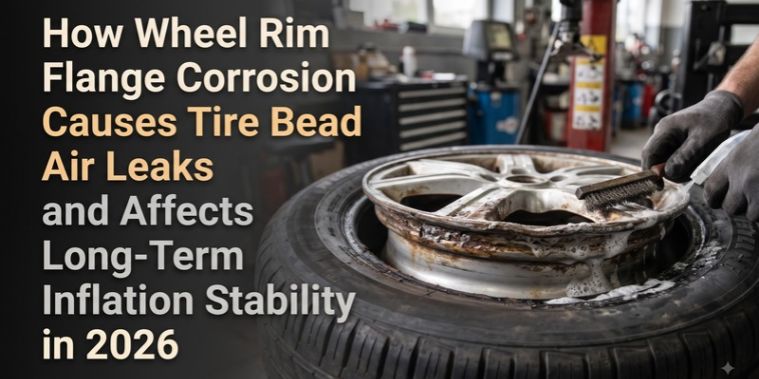
Maintaining correct tire pressure is essential for vehicle handling, braking performance, and tire lifespan. However, repeated pressure loss does not always indicate a puncture or damaged valve. Corrosion around the wheel rim flange can interfere with the airtight seal between the tire bead and the wheel, allowing air to escape gradually. Understanding this problem helps drivers maintain consistent inflation, especially when purchasing all season tires or comparing affordable tires for everyday driving.
Understanding the Tire Bead and Wheel Rim Flange
The tire bead is the reinforced inner edge of a tire that sits against the wheel rim. It helps hold the tire securely in position and contributes to creating an airtight seal when the tire is properly mounted and inflated.
The wheel rim flange is the outer raised edge of the wheel that helps retain the tire bead. Its surface condition is important because the bead must make consistent contact with the designated sealing area.
When corrosion, dirt, or physical damage develops around this area, the seal may become imperfect. Air can then escape between the tire bead and the rim, resulting in gradual pressure loss.
How Wheel Rim Flange Corrosion Develops
Wheel corrosion can occur when metal surfaces are exposed to moisture, road salt, chemicals, and environmental contaminants over time. Several factors can accelerate corrosion:
1. Road Salt and Moisture Exposure
Vehicles driven on salted roads or in areas with frequent rainfall may experience increased exposure to corrosive substances. Moisture can collect around the wheel flange, particularly when dirt and road debris remain trapped near the tire bead.
2. Damaged Wheel Coatings
Paint, clear coats, and protective finishes help shield wheel surfaces from environmental exposure. Scratches caused by curbs, improper tire removal, or road debris can expose the underlying metal.
Once protective coatings are damaged, corrosion may gradually develop around the affected area.
3. Improper Tire Mounting
Incorrect mounting techniques can damage the wheel’s protective finish or leave contaminants around the bead seating area. Improper handling during tire installation may also damage the tire bead itself.
Professional mounting procedures help reduce these risks.
4. Long-Term Environmental Exposure
Vehicles stored outdoors for extended periods may experience repeated moisture and temperature changes. These conditions can contribute to corrosion, especially when wheel surfaces already have scratches or damaged coatings.
How Corrosion Causes Tire Bead Air Leaks
A proper tire bead seal depends on clean, smooth contact between the tire and wheel. Corrosion can create rough surfaces, pits, and irregularities that prevent consistent contact. When the tire is inflated, air pressure pushes the bead against the rim. However, significant corrosion or surface damage can leave small pathways through which air escapes.
Drivers may notice:
- Repeated pressure loss without an obvious puncture.
- One tire requiring inflation more frequently than others.
- Pressure warnings from the tire pressure monitoring system (TPMS).
- Air bubbles during a professional leak test around the bead area.
A bead leak may be slow and difficult to identify without proper inspection. A puncture, damaged valve stem, leaking TPMS seal, or wheel crack can produce similar symptoms, so technicians should examine the entire wheel and tire assembly.
How Bead Leaks Affect Long-Term Inflation Stability
Consistent tire pressure helps maintain the intended contact between the tire and road surface. When a bead leak causes gradual pressure loss, the tire may operate below its recommended inflation level. Underinflation can contribute to several problems:
- Increased heat generation: A tire operating below its recommended pressure may flex excessively, generating additional heat during driving.
- Uneven tread wear: Incorrect inflation can change the tire’s contact pattern and accelerate wear in particular areas.
- Reduced handling stability: Underinflated tires may respond differently during cornering, braking, and sudden maneuvers.
- Lower fuel efficiency: Increased rolling resistance can require more energy to move the vehicle.
These effects depend on the amount of pressure loss, driving conditions, vehicle load, and duration of underinflation.
Inspection and Repair of Corroded Wheel Flanges
If a tire repeatedly loses pressure, a qualified tire technician should perform a systematic inspection.
- Check inflation pressure: Measure pressure with a reliable gauge and compare it with the vehicle manufacturer’s recommended cold tire pressure.
- Inspect the tire: Look for punctures, bead damage, cracks, and other visible defects.
- Perform a leak test: A suitable leak-detection solution can help identify escaping air around the bead, valve, and tread.
- Examine the wheel flange: Inspect for corrosion, pitting, cracks, and damaged protective coatings.
- Assess repair options: Depending on the severity, a professional may clean the bead seating area using an approved procedure, restore suitable surface protection, or recommend wheel replacement.
Severely corroded, cracked, or structurally damaged wheels should not be treated as routine cosmetic repair jobs. The technician should determine whether the wheel remains safe for use.
What to Consider When Buying All Season Tires and Affordable Tires
Choosing all season tires involves evaluating more than tread design and advertised pricing. Tire size, load index, speed rating, vehicle compatibility, and expected weather conditions all matter.
Drivers comparing affordable tires should also inspect the condition of their existing wheels before installation. Mounting new tires on heavily corroded or damaged rims may result in recurring air leaks, even when the replacement tires are in good condition. Before purchasing, consider:
- Confirming the correct tire specifications for the vehicle.
- Checking the wheel flange and bead seating surface.
- Choosing a qualified tire installation service.
- Reviewing warranty coverage and maintenance recommendations.
- Checking tire pressure regularly after installation.
A suitable tire and a properly maintained wheel work together to support reliable inflation and everyday driving performance.
Final Thoughts
Wheel rim flange corrosion can interfere with the tire bead seal and cause gradual air loss. Identifying corrosion early, performing proper leak testing, and repairing or replacing damaged wheels can help restore inflation stability.
Whether shopping for all season tires or comparing affordable tires, drivers should pay attention to wheel condition as well as tire specifications. Proper installation, routine pressure checks, and professional inspections help support safer and more consistent tire performance.
